

8 Essential Tips to Protect Your Pets From Electrical Hazards at Home
If you’re a pet owner, you know the silence. That sudden, suspicious quiet that descends on the house. You look up from your phone, your heart skips a beat, and you wonder: What are they doing?
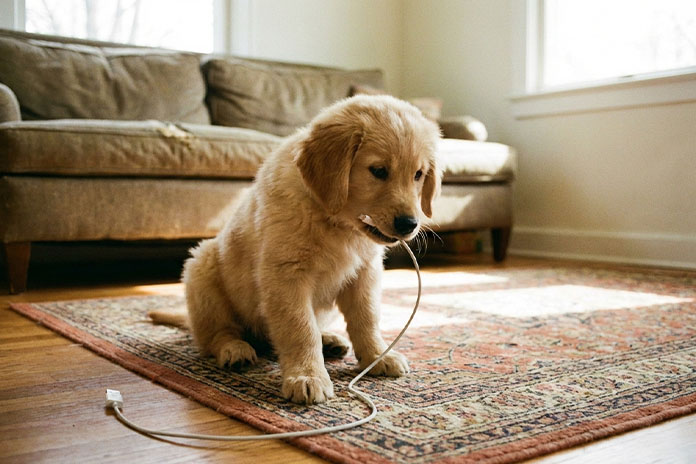
I remember vividly the first week I brought my Golden Retriever puppy, Barnaby, home. I thought I had puppy-proofed everything. Shoes were in the closet, the trash can was locked, and the toxic plants were gifted to neighbors. Then, I walked into the living room to find him happily gnawing on the thin white cable of my phone charger. It wasn’t plugged in, thankfully, but the realization hit me like a ton of bricks: I had completely overlooked the electrical hazards right at his nose level.
It is a scenario that plays out in living rooms everywhere. We bring these curious, energetic creatures into our homes, forgetting that our modern lives are powered by a web of wires, outlets, and power strips that look dangerously like chew toys to a bored dog or a playful cat.
Electrical safety for pets isn’t just about keeping your electronics working; it is about preventing life-threatening injuries. Whether you are a first-time pet parent living in an apartment or a seasoned owner in a large house, knowing how to protect pets from electrical cords and hazards is non-negotiable.
In this guide, we are going to move past generic advice. We will dive into 8 actionable, expert-backed tips to protect pets from electrical hazards, ensuring your furry family members stay safe and your home remains secure.
Why Electrical Hazards Are Dangerous for Pets
Before we get to the solutions, we need to understand the risks. Why exactly are electrical hazards for dogs and cats so prevalent, and what are the consequences?
Pets, especially puppies and kittens, explore the world with their mouths. To a teething puppy, a rubbery cord feels soothing on sore gums. To a cat, a dangling wire looks exactly like a snake or a string toy that needs to be hunted. This biological drive to chew and chase puts them on a collision course with your electrical grid.
When a pet bites through the insulation of a live wire, the consequences can be devastating:
- Oral Burns: This is the most common injury. The electrical arc can cause severe burns to the tongue, gums, and roof of the mouth. These burns can be difficult to treat and may make eating painful for weeks.
- Electric Shock: A jolt of electricity can disrupt the heart’s natural rhythm. In severe cases, this can lead to cardiac arrest.
- Pulmonary Edema: One of the most dangerous (and often delayed) reactions to electric shock is the accumulation of fluid in the lungs (pulmonary edema). A pet might seem fine immediately after the shock, only to struggle with breathing hours later.
- Fire Risk: Beyond the injury to the pet, a chewed wire can spark, overheat, and ignite nearby carpets or curtains, putting your entire home at risk.
Understanding these risks underscores why home electrical safety for pets isn’t just a “nice-to-have”—it is an essential part of responsible pet ownership.
Tip #1 – Keep Electrical Cords Out of Reach
The most effective way to protect pets from electrical hazards is arguably the simplest: remove the temptation entirely. If they can’t reach it, they can’t chew it.
The Risk
Pets are opportunistic. If a lamp cord is running across a walkway or a laptop charger is draping off the side of the sofa, it is fair game. We often leave cords in “convenient” places for us, which happen to be easily accessible places for them.
What to Do
You need to change your perspective—literally. Get down on your hands and knees to view your room from your pet’s eye level. Look for wires that are easily accessible behind entertainment centers, near nightstands, and under desks.
Action Steps:
- Go Behind Furniture: Route cables strictly behind heavy furniture where pets cannot squeeze in. Use the space between the sofa and the wall to hide lamp cords.
- Go High: Whenever possible, run cables along the top of baseboards or even higher up walls using adhesive clips.
- Use Cord Shorteners: If a cord is too long, don’t let the excess loop on the floor. Use a cord shortener (a plastic device that you wind the cord inside) to take up the slack.
Expert Insight: For cat owners, “out of reach” is tricky because they are climbers. Simply putting a cord on a desk isn’t enough. In these cases, you must focus on routing wires through channels or drawers where paws simply cannot go.

Tip #2 – Use Cord Protectors and Covers
Sometimes, you cannot hide a cord. Maybe your desk is in the middle of the room, or you have a floor lamp. In these instances, your best defense is armor.
The Risk
Exposed cords are soft and chewy. If a determined chewer finds an exposed wire that you couldn’t hide, they can strip the insulation in seconds.
What to Do
Invest in high-quality pet-proofing electrical cords gear. There are several types of protectors available, and choosing the right one depends on your pet’s chewing strength.
- Spiral Cable Wrap: This is a plastic spiral that winds around a bundle of wires. It is great for organizing computer cables, but a large dog can crush through it. It is better suited for cats or mild chewers.
- PVC Cord Covers (Critter Cords): These are clear, flexible plastic tubes often infused with a bitter scent (citrus or apple). They are tougher and specifically designed to deter pets.
- Heavy Duty Fabric Sleeves: Braided metal or heavy nylon sleeves are excellent for aggressive chewers. They change the texture of the cord, making it unpleasant to bite.
Real-World Application: If you have a rabbit or a rodent (like a chinchilla), plastic covers might not be enough. You may need hard plastic raceways that stick to the wall, completely encasing the wire in a rigid shell.
Tip #3 – Pet-Proof Electrical Outlets
We often think about cords, but the outlet itself is a major hazard, especially for wet noses and curious tongues.
The Risk
While pets don’t typically stick forks in outlets like toddlers might, they do lick things. A wet nose or tongue making contact with a partially exposed plug (where the prongs are slightly visible) can complete a circuit. Furthermore, cats often rub their faces against walls and baseboards (marking their territory), bringing them dangerously close to open sockets.
What to Do
Pet-proofing electrical outlets is cheap and easy.
- Plastic Caps: The standard baby-proofing plugs work well for unused outlets. They are difficult for paws to pry off.
- Sliding Plate Covers: For a more permanent solution, replace your outlet covers with sliding plates. These automatically snap shut over the holes when you unplug a device, meaning you never have to remember to put the plastic cap back in.
- Box Covers for In-Use Outlets: This is crucial. If you have something plugged in permanently (like a fridge or TV), use a “bubble” cover or a box cover that encases the entire outlet and the plug head. This prevents a pet from nudging the plug out slightly and exposing the live prongs.
Read More: How to Choose the Right Electrician for Your project
Tip #4 – Secure Power Strips and Extension Cords
Power strips are often the messiest part of our electrical setup. They sit on the floor, usually in a tangle of wires, emitting a faint warmth that cats find unfortunately cozy.
The Risk
A power strip is a concentration of hazards. It has multiple open slots, a switch that can be pawed, and a surge protector light that might attract attention. If a dog urinates on a floor-level power strip, it can cause a massive short circuit and fire.
What to Do
Get your power strips off the floor or hide them completely.
Practical Solutions:
- Cable Management Boxes: These are sleek plastic boxes designed to hold a power strip and all the excess cable clutter. The cords feed out through small slots. Your pet sees a boring plastic box, not a spaghetti monster of wires.
- Mount Them: Use double-sided heavy-duty mounting tape or screws to mount power strips to the underside of your desk or the back of your TV stand. This keeps them completely inaccessible to ground-dwelling pets.
- Switch Guards: If you must leave a strip accessible, ensure it has a switch guard so your pet cannot accidentally toggle the power on or off by stepping on it.

Tip #5 – Avoid Dangling or Loose Cables
Motion attracts predators. This is the golden rule of nature, and it applies to your living room.
The Risk
A cord that dangles freely—like a phone charger hanging off a table or a blind cord swaying in the breeze—triggers a predator drive in cats and dogs. It looks alive. They will bat at it, pull it, and eventually chew it. The danger here is two-fold: the electrical shock from chewing, and the risk of pulling a heavy lamp or appliance down onto themselves.
What to Do
Secure everything. You want your electrical setup to look static and boring.
- Velcro Ties: Bundle loose wires together. A thick bundle is harder to chew and less fun to bat around than a single swaying wire.
- Anchor Cords to Legs: Use velcro straps or zip ties to secure lamp cords tight against the leg of the table or desk. This prevents the “dangle factor.”
- Retractable Chargers: When not in use, retractable cables zip back into a housing, eliminating the hazard entirely.
The “Boring” Test: Wiggle the cord. Does it sway enticingly? If yes, it’s a hazard. Secure it until it doesn’t move when touched.
Tip #6 – Use Bitter Sprays for Persistent Chewers
Sometimes, you can hide cords and cover them, but a determined puppy will still try to gnaw on the furniture or the few inches of exposed wire. This is where behavioral deterrents come in.
The Risk
Pet chewing electrical wires danger is high for teething puppies who are seeking relief, or bored dogs looking for stimulation. If physical barriers fail, you need a sensory barrier.
What to Do
Apply a taste deterrent to your cords and protectors.
- Bitter Apple / Bitter Cherry: These sprays are non-toxic but taste incredibly foul to dogs and cats.
- Apply Correctly: Don’t just spray it in the air. Apply it to a cloth and wipe down the cords, or spray the cords directly (ensure they are unplugged first to avoid moisture entering the socket).
- Reapply: These sprays evaporate. You need to reapply them every 24–48 hours for a few weeks until the habit is broken.
Important Note: Some dogs actually like the taste of bitter apple. Test a small amount on a tissue first. If they lick it up, try a vinegar-based deterrent or a hot-pepper based one (use caution with hot pepper specifically with cats, as they can rub it in their eyes).

Tip #7 – Supervise Pets in High-Risk Areas
Technology and gadgets are everywhere, but we can’t pet-proof the entire world. Supervision is your fallback safety net.
The Risk
The most dangerous time for electrical safety for pets is when they are bored and alone. A dog that sleeps all day while you are working might decide to chew the TV cable the moment you leave for the grocery store.
What to Do
Implement a “management” strategy when you cannot actively supervise.
- Crate Training: For puppies, a crate is the safest place when you aren’t home. It keeps them away from all electrical hazards.
- Playpens / Safe Zones: If you dislike crates, set up a puppy playpen or a gated “safe room” (like a kitchen) where you have verified there are zero accessible electrical cords.
- Distraction: a bored mouth seeks trouble. Provide safer alternatives like Kongs filled with frozen treats or puzzle toys. If they are busy working on a puzzle, they aren’t working on your lamp cord.

Tip #8 – Check and Replace Damaged Cords Regularly
Even with all these precautions, wear and tear happens. A safe home requires maintenance.
The Risk
A cord might have been chewed slightly months ago and you didn’t notice. Over time, that weakened insulation can crack, exposing the live wire. Or, perhaps you have moved furniture and pinched a wire, damaging the shielding.
What to Do
Make it a habit to audit your home’s electrical health.
- The Monthly Sweep: Once a month, walk through your house and inspect the visible cords. Look for teeth marks, fraying, or discoloration.
- Immediate Replacement: If you find a damaged cord, do not try to fix it with electrical tape. While tape insulates, it doesn’t restore the structural integrity of the wire, and the adhesive texture is often appealing to pets. Replace the cord or the device immediately.
- Check Warmth: Feel your wall adapters and power strips. If they are excessively hot, they may be overloaded or failing—a fire risk for everyone, but especially for pets sleeping near them.
Read More: 5 Signs Your Home’s Wiring Needs an Upgrade
Common Electrical Mistakes Pet Owners Make
Even well-meaning owners slip up. Here are a few common pitfalls to avoid in your quest for how to protect pets from electrical cords.
- Trusting “Training” Too Soon: Just because your dog knows “leave it” doesn’t mean they will obey it when you are at work. Never rely on obedience commands for safety when you aren’t present.
- Leaving Chargers Plugged In: We all do this. We leave the laptop charger plugged into the wall but disconnected from the laptop. This leaves a live end dangling on the floor. If a pet puts that connector in their mouth, they can get shocked. Always unplug chargers when not in use.
- Assuming Cats Won’t Chew Thick Wires: There is a myth that cats only like thin wires (like headphones). However, many cats will chew thick heavy-duty extension cords if the texture appeals to them. Treat all wires as potential targets.
Read More: 10 Ways to Lower Your Electric Bill
Final Thoughts – Making Your Home Safer for Pets
Protecting your pets from electrical hazards doesn’t require you to live in the dark or get rid of all your gadgets. It requires a shift in mindset. It’s about seeing your home through the eyes of a curious, bored, and playful animal.
By implementing these 8 tips to protect your pets from electrical hazards, you aren’t just tidying up your cables; you are creating an environment where your pet can thrive safely. Start with the easy wins today: buy a few cable management boxes, secure that dangling lamp cord, and unplug your unused chargers.
Your pet brings immense joy to your life. Returning the favor by keeping them safe from invisible dangers is the best gift you can give them.


