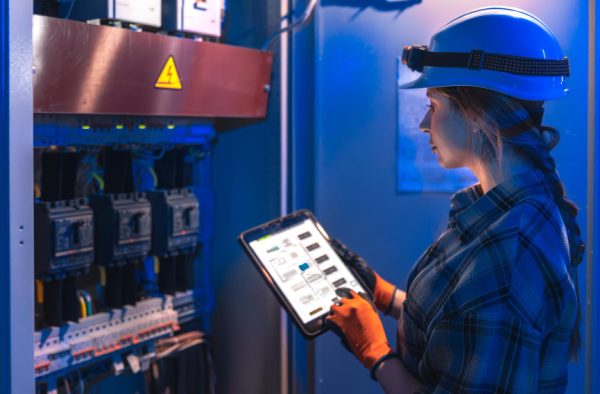


5 Signs Your Home’s Wiring Needs an Upgrade
Electricity powers nearly every aspect of modern life, from keeping our homes well-lit to running essential appliances and entertainment systems. However, as technology advances and our reliance on electrical devices increases, many older homes struggle to keep up. Outdated wiring, overloaded circuits and aging electrical panels can lead to frequent disruptions, reduced efficiency and even serious safety hazards.
A well-maintained electrical system is vital for your home’s safety and functionality. If your wiring is outdated or struggling to handle your household’s energy demands, you may experience issues like flickering lights, frequent circuit overloads, or malfunctioning outlets. Ignoring these warning signs can put your home at risk of electrical fires or power failures, making it crucial to address any concerns before they escalate.
Upgrading your home’s electrical system not only enhances safety but also improves energy efficiency, supports the effectiveness of security systems and ensures your home can handle modern power needs. Whether you’re dealing with old wiring or an overworked breaker panel, calling a qualified electrician can help you identify potential hazards and make the necessary upgrades.
In the following sections, we’ll explore the key indicators that suggest it’s time for a home wiring upgrade, the benefits of modernizing your electrical system, and how to choose the right professional for the job. Recognizing these signs early can help you maintain a safe, efficient, and future-ready home.
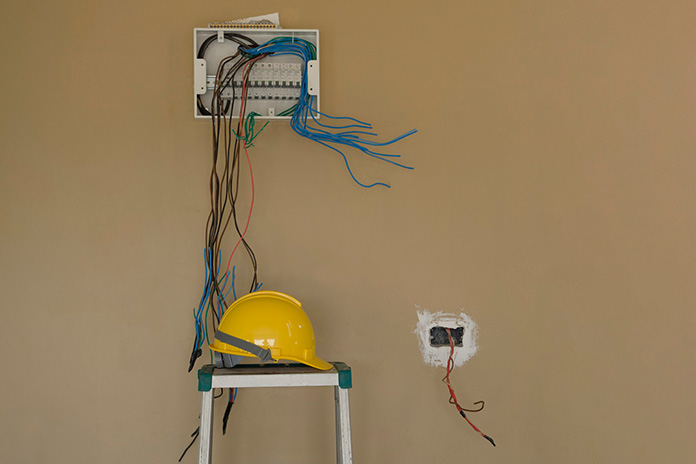
Is It Time for a Home Wiring Upgrade?
Determining when your home’s electrical system needs an upgrade isn’t always straightforward. The warning signs can be subtle at first, making it easy to overlook potential hazards. However, certain issues—such as recurring electrical problems or outdated wiring—could indicate that your system is struggling to meet modern energy demands.
Recognizing these signs early is essential for maintaining both the safety and efficiency of your home. From overloaded circuits to aging electrical components, various factors can signal the need for an upgrade. In the next sections, we’ll explore these indicators in depth, helping you identify when it’s time to call a professional and modernize your home’s electrical system.

Repeated Circuit Breaker Shutdowns
Circuit breakers play a crucial role in home safety by shutting off power when a circuit is overloaded. While an occasional trip is normal, frequent breaker shutdowns suggest that your electrical system is struggling to keep up with demand. This could stem from outdated wiring, an insufficient electrical panel or an increased number of high-powered appliances exceeding the system’s capacity.
If your circuit breakers shut off regularly—especially when multiple devices are in use—it may indicate that your system is overburdened. Over time, this can lead to overheating, damaged wiring or even electrical fires. Additionally, if critical appliances, security systems or heating and cooling units rely on stable power, frequent outages can disrupt daily life and pose safety risks.
Addressing this issue requires a professional assessment of your home’s electrical system. Upgrading your panel, adding dedicated circuits or replacing outdated wiring can help balance the electrical load and improve system efficiency. Installing modern safety features, such as Residual Current Devices (RCDs) and surge protectors, can further safeguard your home from unexpected power surges.
A well-functioning electrical system is essential for modern living. If your home experiences persistent breaker shutdowns, it may be time for a home wiring upgrade to enhance safety, prevent power disruptions and support your growing energy needs. In the following sections, we’ll discuss additional signs that indicate your home’s electrical system requires professional attention.

Flickering or Dimming Lights
If your lights flicker or dim frequently, especially when using multiple appliances, it could signal underlying electrical problems. While occasional flickering might not seem like a major concern, persistent issues often indicate overloaded circuits, loose connections or outdated wiring. These problems not only affect your home’s lighting but can also compromise the reliability of essential systems, such as security lighting.
One common cause of flickering lights is an electrical system struggling to supply enough power to meet modern energy demands. Older homes, in particular, may have outdated wiring that wasn’t designed for today’s high-power appliances, like air conditioners, microwaves and entertainment systems. When your electrical panel can’t distribute power efficiently, lights may dim or flicker as circuits become overloaded.
In some cases, flickering lights result from loose or damaged wiring, which poses a serious fire hazard. Faulty electrical connections can cause sparks, overheating and in extreme cases, electrical fires. Addressing these issues promptly with a home wiring upgrade is crucial for preventing damage and ensuring a safe living environment.
An experienced electrician can assess your system to determine whether rewiring, panel upgrades or additional circuits are needed to stabilize your home’s power supply. Installing modern electrical components can enhance the safety and efficiency of your lighting, security systems and overall electrical infrastructure.
If flickering or dimming lights have become a recurring issue in your home, don’t ignore the warning signs. Upgrading your electrical system can improve reliability, reduce fire risks, and provide the power capacity needed to support your household’s growing energy demands.

Outdated Wiring – A Hidden Hazard in Your Home
If your home is more than 20 years old and hasn’t had an electrical upgrade, its wiring may be outdated and unable to handle modern energy demands. Older wiring systems were designed for a time when households used far fewer electrical appliances. Today, with high-powered devices, HVAC systems and smart home technology, these aging systems often struggle, leading to frequent breaker trips, power surges and overheating.
Signs of outdated wiring include flickering lights, buzzing outlets, burning smells or frequent blown fuses. Additionally, older electrical panels—such as 60-amp or 100-amp models—often lack the capacity for modern usage, increasing the risk of electrical fires. Over time, deteriorating wire insulation can expose live wires, creating a significant safety hazard.
Upgrading your electrical wiring and panel ensures your home can safely handle today’s energy needs while reducing fire risks and improving efficiency. A home wiring upgrade not only enhances safety but also adds value to your property by bringing it up to current electrical standards.
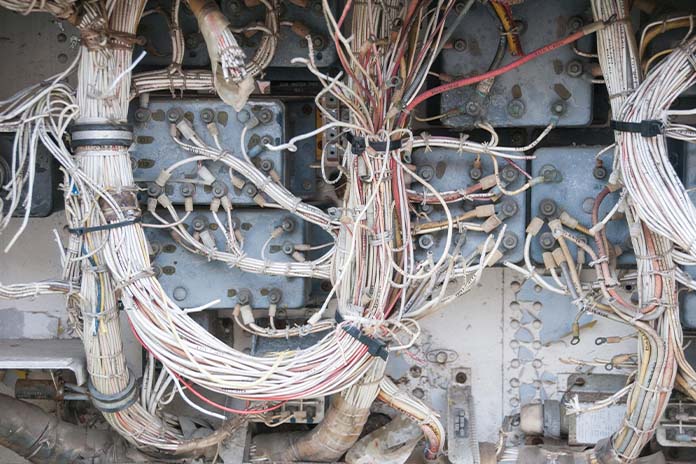
Burning Smell or Scorch Marks
If you notice a burning smell coming from an outlet, switch or electrical panel, it’s a major cause for concern. This odor often signals overheating wires, which can quickly escalate into a fire hazard. Similarly, scorch marks on outlets or electrical panels are signs that your electrical system is under strain and may not be able to handle the load, increasing the risk of dangerous arcing or electrical fires.
These issues typically arise from faulty wiring, damaged outlets or overloaded circuits, which generate excessive heat. Ignoring these warning signs can result in severe damage to your home and jeopardize your family’s safety.
If you detect a burning smell or see scorch marks, immediately shut off power to the affected area and contact a professional electrician.
Upgrading your electrical system to handle modern power demands can eliminate these risks. Whether it’s replacing damaged outlets or updating old wiring, addressing these issues promptly ensures your home remains safe, efficient and fire-free.

Overuse of Extension Cords and Power Strips
Relying heavily on extension cords and power strips is a common sign that your home’s electrical system needs an upgrade. While extension cords may seem like a quick fix, they are not designed for long-term use. In fact, excessive reliance on these devices often signals that your home doesn’t have enough outlets to meet your electrical needs.
Older homes or outdated electrical systems often lack the necessary outlets to power modern appliances and electronics. Instead of resorting to temporary workarounds like extension cords, it’s safer and more efficient to upgrade your electrical system. Installing additional outlets or circuits ensures your home meets today’s energy demands and adheres to current safety standards.
Using extension cords for long periods is not only inconvenient but also risky. A professional electrician can assess your system and install permanent solutions, such as new outlets and circuits, to eliminate the need for power strips and extension cords. By addressing this issue, you can enhance both the functionality and safety of your home.

The Importance of Professional Electrical Upgrades
Upgrading your home’s electrical system is not just about making life more convenient—it’s a vital investment in safety, efficiency, and long-term savings. The primary reason to address electrical issues is safety. Outdated wiring or faulty systems are significant causes of electrical fires, and upgrading ensures your home meets modern safety standards.
A professional electrical upgrade also boosts your home’s energy efficiency. Modern systems are designed to handle today’s electrical demands, minimizing wasted energy and optimizing performance. This leads to reduced utility costs and a greener footprint.
Moreover, upgrading your electrical system can increase your home’s value. A modern, safe electrical setup is an attractive feature for potential buyers, providing them with peace of mind knowing the home is up to code.
While it might be tempting to attempt electrical work yourself, this can lead to more harm than good. Improper wiring or installation can put you at risk for fires, electrocution, and costly damage to appliances. That’s why relying on professional electricians ensures your home is safe, reliable, and efficient, providing you with the peace of mind you deserve.

Conclusion
In conclusion, upgrading your home’s electrical system is not just a matter of convenience—it’s a crucial step in ensuring safety, efficiency and long-term value.
By investing in a professional electrical upgrade, you not only protect your home from potential hazards like fires or electrical shocks but also improve the overall efficiency of your system, reduce energy costs, and increase the value of your property. A reliable, up-to-date electrical system also provides peace of mind, knowing that your home is safe and capable of handling today’s technology-driven needs.